
How to Maximize Your Dining Room Furniture
Selecting the appropriate size for a centerpiece table is a crucial first step when furnishing your home. It is necessary to measure the layout accurately to ensure your table fits comfortably while permitting fluid movement across the floor. Proper spatial considerations help establish a well-balanced, functional layout.
Selecting Durable Materials
Choosing Table Materials
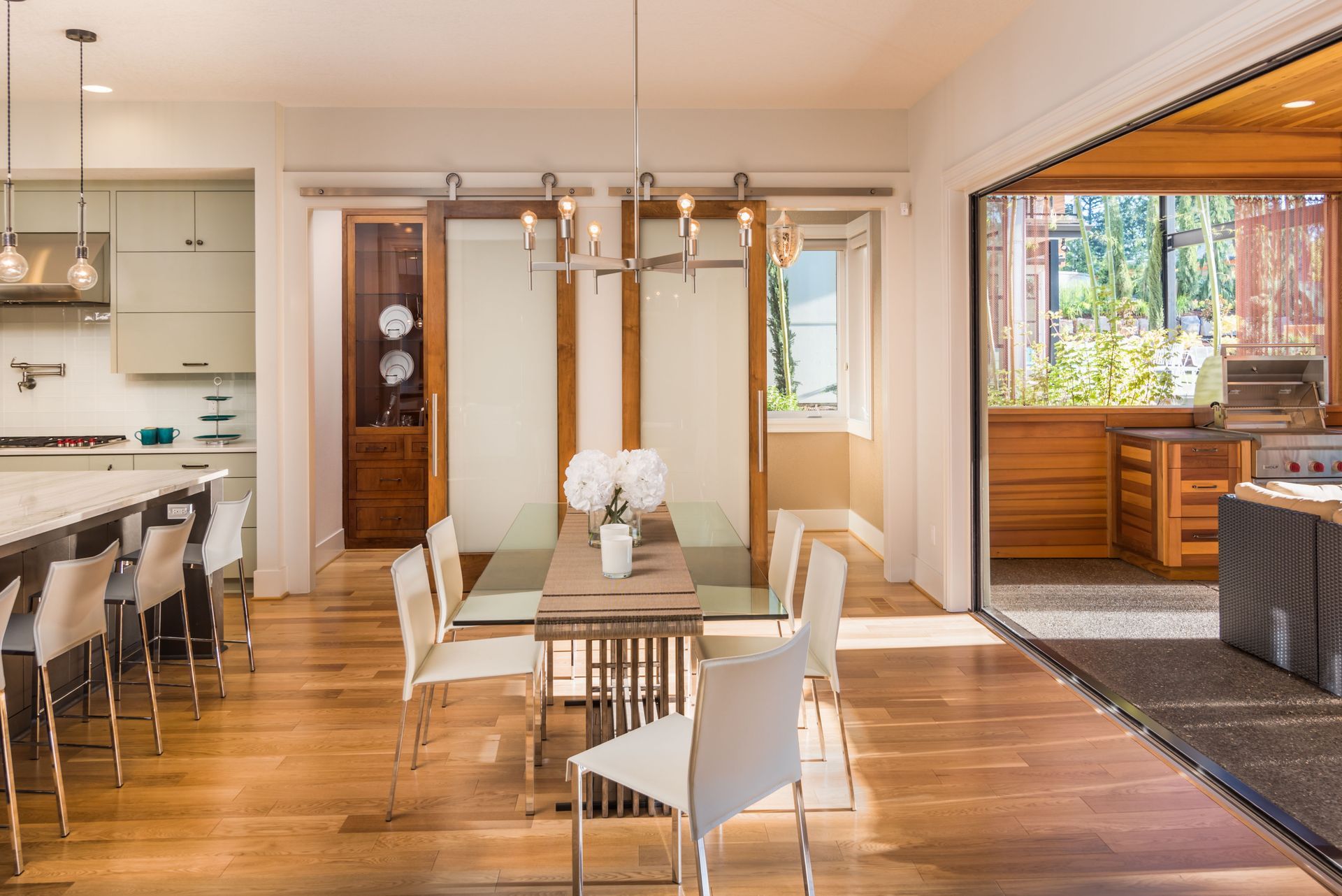
The material of a centerpiece table has a significant impact on its aesthetic and functional value. Solid wood options remain popular for their timeless appeal, often serving as the focal point in traditional or rustic interiors. According to This Old House, a dining table ideally should be placed 36 inches from the walls or further for easy chair movement, ensuring adequate clearance around your furnishings. Glass surfaces offer a sleek look and create an illusion of open space, making them ideal for smaller floor plans. Metal tables provide industrial strength and exceptional durability for high-traffic households. Sourcing high-quality pieces from trusted furniture stores helps ensure long-term structural integrity.
Matching Style Shapes
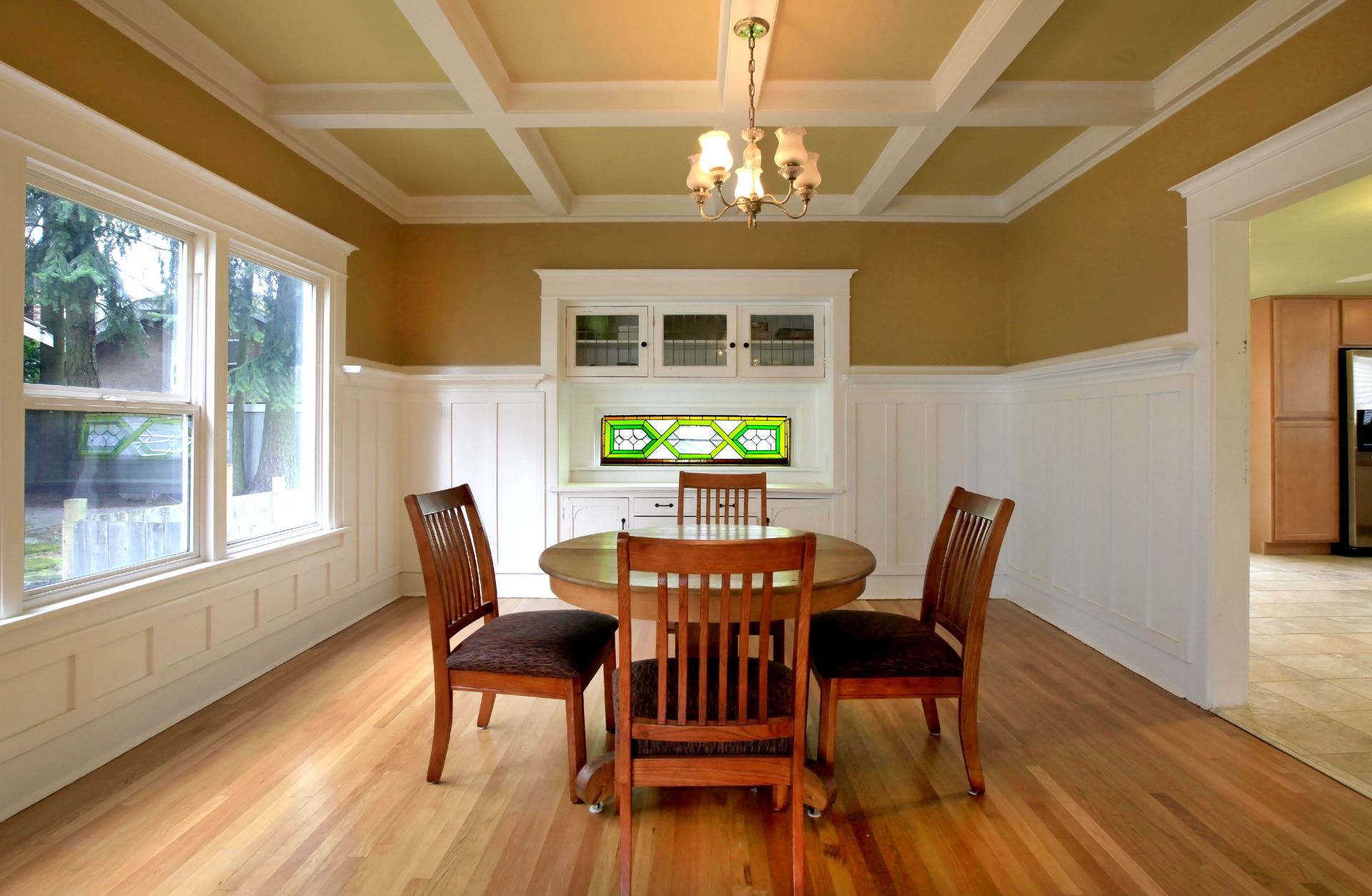
The outline of a dining table contributes heavily to its integration with existing interior décor. Round tables work well for intimate settings, promoting easy conversation among guests. Rectangular profiles offer a classic layout suitable for formal dinners and larger family gatherings. Square and oval options blend aesthetics with practical seating, adapting smoothly to various architectural themes. Choosing a complementary shape ensures your centerpiece table enhances the overall layout.
Investing in Quality
Investing in high-quality dining tables ensures long-term durability and lasting visual appeal. Financial planning should balance immediate purchasing costs with long-term material performance. While choosing lower-cost alternatives might seem economical initially, inferior construction can lead to structural instability over time. Exploring well-crafted options within your target budget avoids compromising on essential joinery. Prioritizing robust craftsmanship ensures a successful, enduring investment for your home.
Balancing Comfort Styles
Aligning Chair Ergonomics
Selecting dining chairs requires balancing physical comfort with overall interior style. Proper ergonomics ensures that guests remain comfortable during prolonged family meals and evening gatherings. Lumbar support, seat cushioning, and optimal height all contribute directly to a pleasant dining experience. Furthermore, chair dimensions must align with table clearance guidelines to maintain proper proportion. Sourcing ergonomic seating from established furniture stores guarantees both long-term comfort and structural reliability.
Coordinating Seating Styles
Dining chairs must strike a balance between visual appeal and daily utility. Matching the style of your chairs to the table creates a cohesive, well-planned aesthetic. However, incorporating contrasting finishes can achieve an eclectic, personalized look. Maintaining a consistent visual thread, such as matching wood tones or metal accents, keeps the room unified. The right seating choices elevate both the practical and visual aspects of your layout.
Mixing Seating Designs
Combining different chair styles introduces dynamic energy and personal character into a room. When executed thoughtfully, this approach highlights individual creativity while maintaining practical seating arrangements. Maintaining balance requires a unifying element, such as a shared color palette, finish, or geometric profile. Cohesive diversity thrives when it reflects your personal taste without sacrificing daily functionality. This strategy adds visual depth, creating an engaging atmosphere for guests.
Comparing Storage Essentials
Maximizing Storage Utility
Sideboards and buffets provide essential storage while acting as stylish accent pieces in a room. They offer practical space to neatly organize dinnerware, serving platters, and table linens. Assessing your household's specific storage needs helps determine the appropriate size and cabinet configuration. These functional storage units streamline meal preparation and table service during gatherings. Incorporating a well-crafted credenza adds both organizational efficiency and sophistication to your layout.
Enhancing Interior Décor
Sideboards enhance room aesthetics thanks to their wide variety of design profiles and material finishes. Available in modern, traditional, and transitional styles, they complement existing tables while adding unique character. Using the top surface to display decorative vases, framed artwork, or table lamps elevates the room's visual appeal. Choosing a finish that contrasts with or matches your dining table helps establish color balance. Visiting regional furniture stores provides opportunities to inspect distinct sideboard finishes in person.
Evaluating Material Options
The material and protective finish of a sideboard determine its long-term durability and stylistic presence. Sturdy hardwoods like oak, walnut, or maple offer structural longevity and classic appeal. Lacquered or high-gloss surfaces bring a crisp, modern edge to contemporary interiors. Incorporating glass doors or metal hardware adds functional contrast and visual interest. Selecting premium finishes ensures your storage cabinets withstand daily use while retaining their original luster.
Showcasing Decorative Pieces
Utilizing Storage Cabinets
Display cabinets and hutch units combine concealed storage with open shelving to highlight prized collectibles. Their multi-functional design allows you to display fine china, glassware, or family heirlooms while hiding bulky items behind solid doors. Placing these cabinets strategically enhances room symmetry and improves overall storage capacity. Browsing broad collections at local furniture stores helps you discover display units that fit your spatial needs. Combining open display with hidden storage adds personal character to your home.
Choosing Complementary Cabinets
Selecting the right display unit requires balancing storage capacity with overall cabinet design. Assess available floor space and inventory the items you plan to store before deciding on cabinet dimensions. Choosing display units that match your dining table and chairs establishes a cohesive visual theme. Select door styles, glass panels, and internal shelving layouts based on your functional requirements. Thoughtful cabinet selection enhances both storage organization and overall visual appeal.
Accentuating Personal Style
Display cabinets contribute significantly to a room's aesthetic character by showcasing curated items. Exhibiting heirloom ceramics, colorful glassware, or travel souvenirs introduces texture, color, and personal history into the space. Each displayed item adds a layer to your home's visual story, reinforcing your design theme. Coordinating cabinet materials with existing furniture ensures seamless integration into the room. Displaying meaningful objects elevates the space through personal expression.
Elevating Overall Style
Placing Floor Rugs
Area rugs anchor the dining space, providing physical comfort underfoot and visual structure to the room. The rug's dimensions must extend beyond the table footprint so chair legs remain on the rug even when pulled out. Selecting complementary patterns and colors unifies your furniture choices without overpowering the space. Centering the rug beneath the main table creates pleasing visual symmetry. Incorporating a well-sized rug adds warmth, texture, and ground definition to your floor plan.
Adding Color Patterns
Using rugs, curtains, and seat cushions to introduce color and pattern injects personal energy into the space. Patterned textiles help disguise minor spills and foot traffic wear, extending the rug's visual appeal over time. Selecting accent colors that echo or contrast with surrounding wall tones sets a specific mood. Balancing bold patterns with neutral furniture prevents visual clutter. Strategic use of color transforms simple dining areas into vibrant spaces.
Balancing Seating Comfort
Balancing plush comfort with sleek style ensures your dining area remains inviting for extended daily use. Ergonomic chair cushioning and supportive backrests encourage guests to relax around the table. Decorative accessories should enhance the design without blocking views or crowding surface space. Exploring high-end options at premier furniture stores allows you to test chair comfort before buying. Achieving a balance between comfort and style results in an enjoyable space.
Creating a functional dining space involves thoughtful selection of foundational furniture, lighting fixtures, and decorative accents. Balancing spatial measurements with quality materials ensures your investment delivers lasting comfort and daily utility. Sourcing pieces that reflect your personal taste while providing practical storage transforms your room into an inviting hub for family gatherings. To explore a wide selection of quality tables, seating, and storage options, visit J & L Furniture.
Share On: